Berat in Autumn: The Ultimate Fall Getaway for Food, Wine, and History Lovers
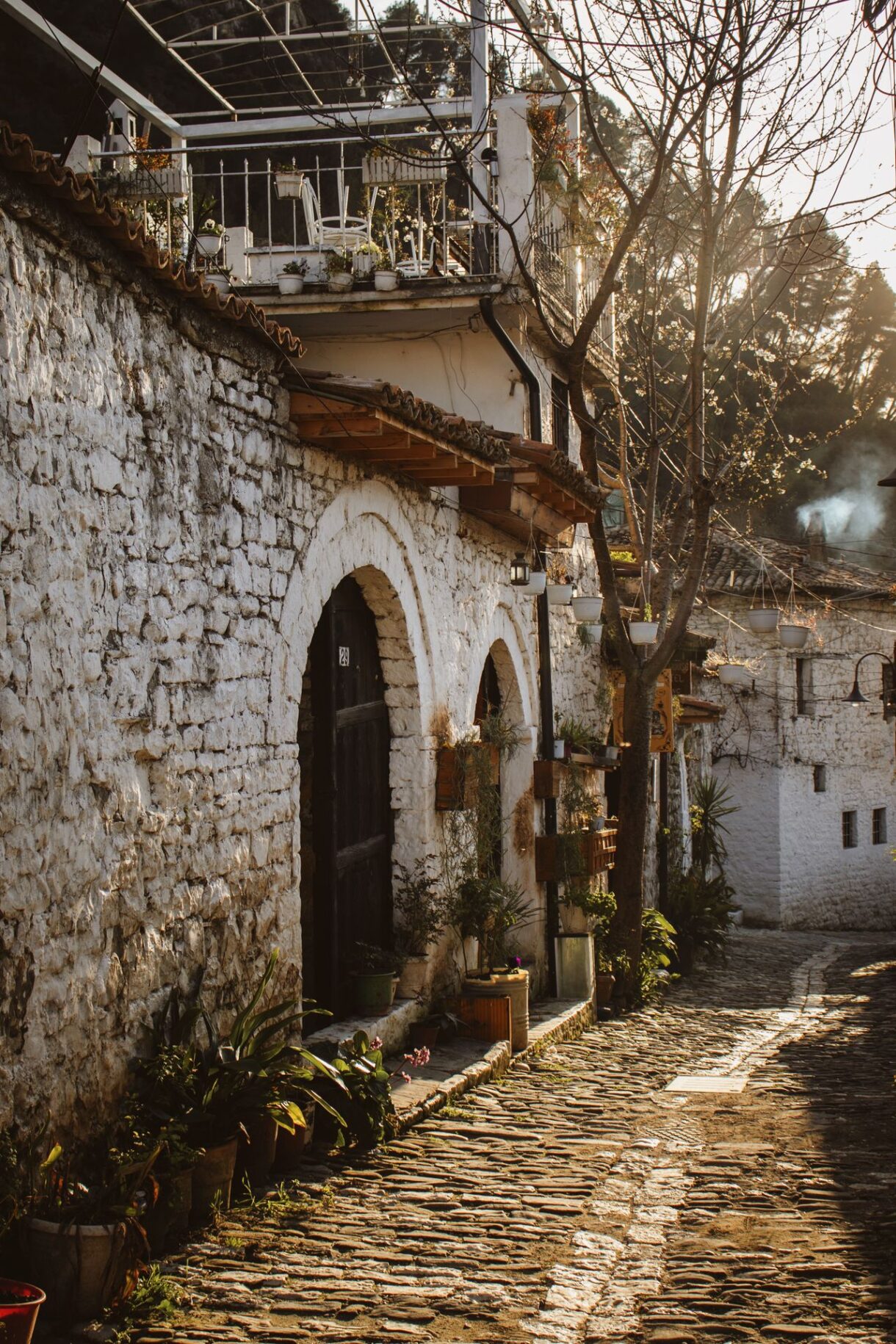
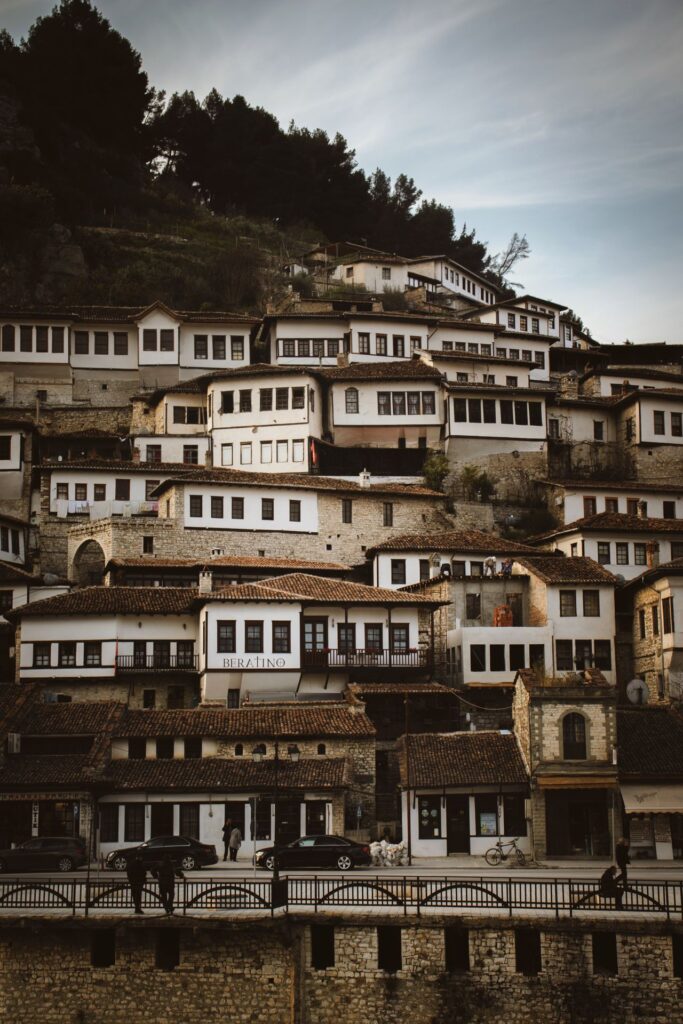
When the scorching Mediterranean summer fades and the coastal crowds begin to drift home, a quiet transformation sweeps through central Albania. Nowhere is this seasonal shift more enchanting than in Berat. Known affectionately as the City of a Thousand Windows due to its cascading Ottoman-era architecture, Berat is an undisputed crown jewel of Albanian heritage. Yet, while summer draws casual day-trippers seeking quick photo opportunities along the Osum River, autumn reveals the town’s true, soulful identity.
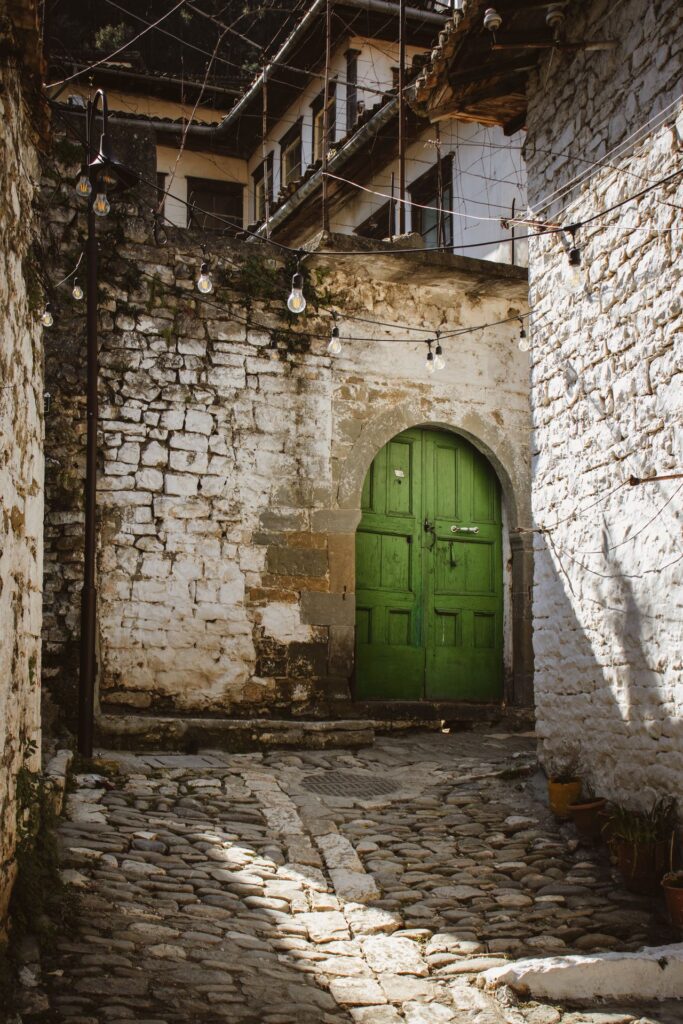
In autumn, the golden light softens against the white plaster facades of the Mangalem and Gorica quarters. The temperatures drop to a comfortable range, creating ideal conditions for exploring steep cobblestone alleyways without the oppressive heat of July or August. More importantly, autumn marks the heart of the agricultural calendar. It is the season of the grape harvest, olive picking, and the slow-cooked culinary traditions that make Albanian hospitality famous. If you are looking for an authentic immersion into local culture, gastronomy, and countryside life, autumn is unequivocally the best time to visit Berat.
THE WINE HARVEST: TASTING THE TERROIR OF BERAT VALLEY
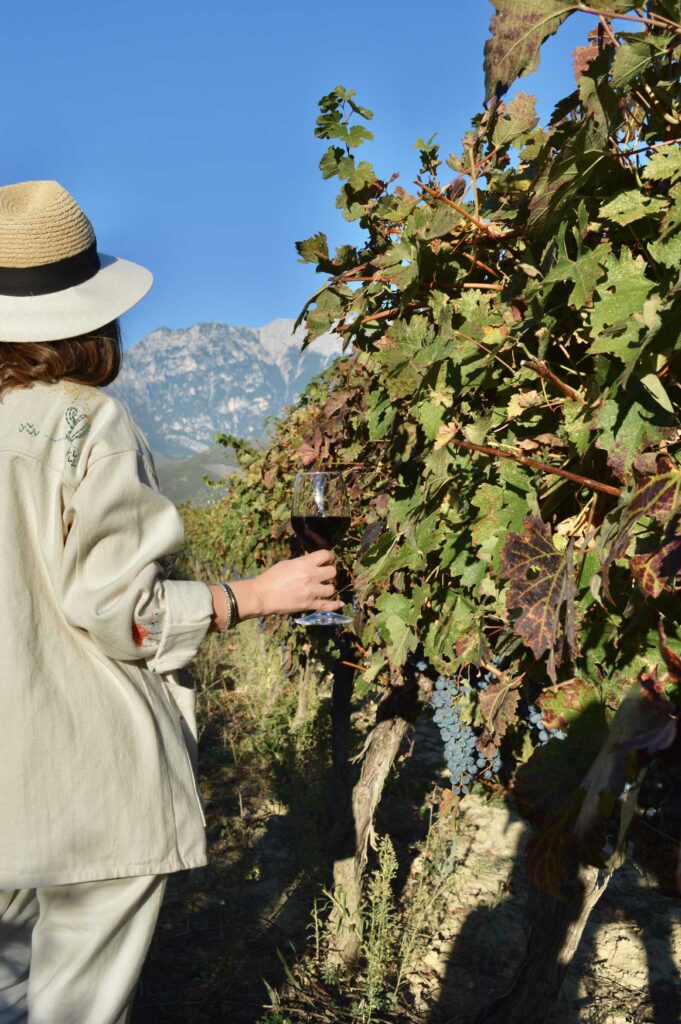
Berat is rapidly asserting itself as the heart of Albania’s boutique winemaking revival. The fertile microclimate surrounding the Tomorr Mountain range nurtures indigenous grape varieties that have been cultivated here for centuries. Autumn is the magic window when winemaking comes alive: vineyard terraces are buzzing with pickers, cellars are filled with the sweet aroma of fermenting must, and winemakers are eager to share their craft. The star of the region is Puls, a crisp, highly aromatic white grape variety native to the Berat countryside. It produces bright, mineral-forward white wines with subtle notes of citrus and green apple -the perfect accompaniment to local cheeses. On the red side, Shesh i Zi thrives in the surrounding hills, yielding velvety, medium-bodied red wines packed with wild berry flavors and earthy undertones. A short drive from the historic center takes you to family-run estates like Çobo Winery, Nurellari Winery, and Pupa Winery. Here, wine tasting is an intimate, unhurried affair. Instead of commercialized, impersonal tasting rooms, visitors are often welcomed directly by the family founders. A typical autumn tasting pairs signature vintages with freshly pressed extra virgin olive oil, homemade raki, meats, and local cheeses.
AGRITOURISM AND FARM-TO-TABLE FEAST IN THE COUNTRYSIDE
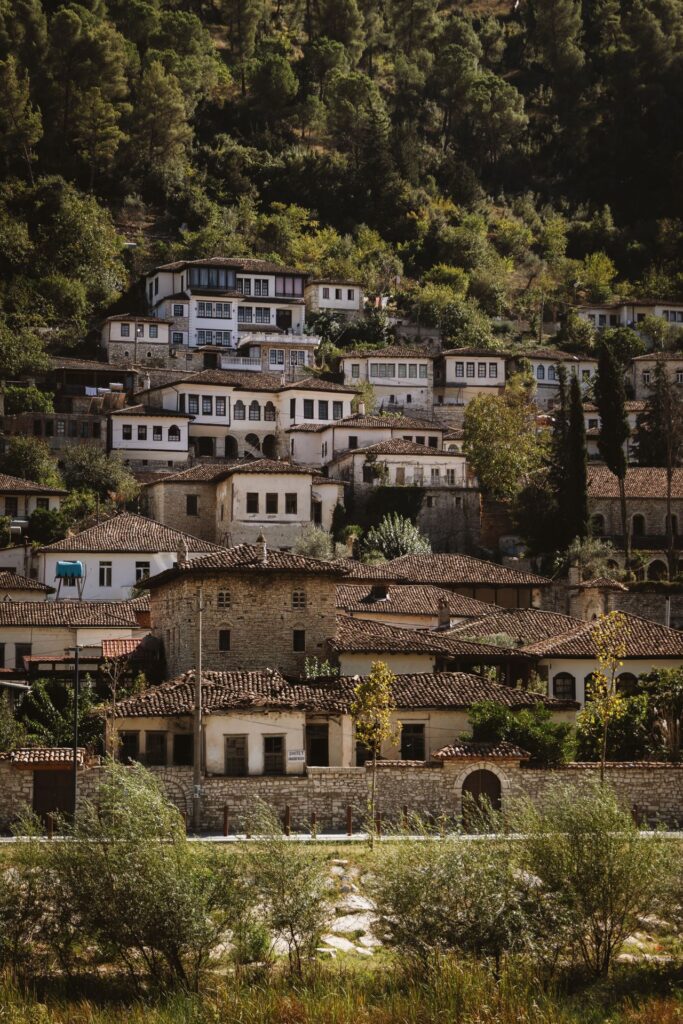
Beyond the vineyards, autumn in Berat is a celebration of rural abundance. Albania’s agritourism sector has grown exponentially, and the villages tucked into the hills around Berat are leading the charge. In nearby villages such as Roshnik, farm-to-table dining reaches its peak in October and November. Agritourism estates like Alpeta Agroturizëm invite guests to step straight into the orchard and vineyard lifestyle. Here, autumn menus are built strictly around seasonal harvests: freshly gathered chestnuts, pomegranates, wild figs, and newly pressed olive oil. Sitting down for an autumn meal in a Berat agritourism guesthouse feels like joining an extended family feast. Traditional tavë bubble over open fires, presenting hearty local classics like tavë kosi (baked lamb with rice and yoghurt sauce) or fërgesë (a rich casserole of roasted peppers, tomatoes, and salted ricotta). Pair these dishes with artisan bread baked in wood-fired ovens and fresh pomegranate juice, and you have an unforgettable connection to the Albanian land.

CULTURAL TREASURES WITHOUT THE CROWDS
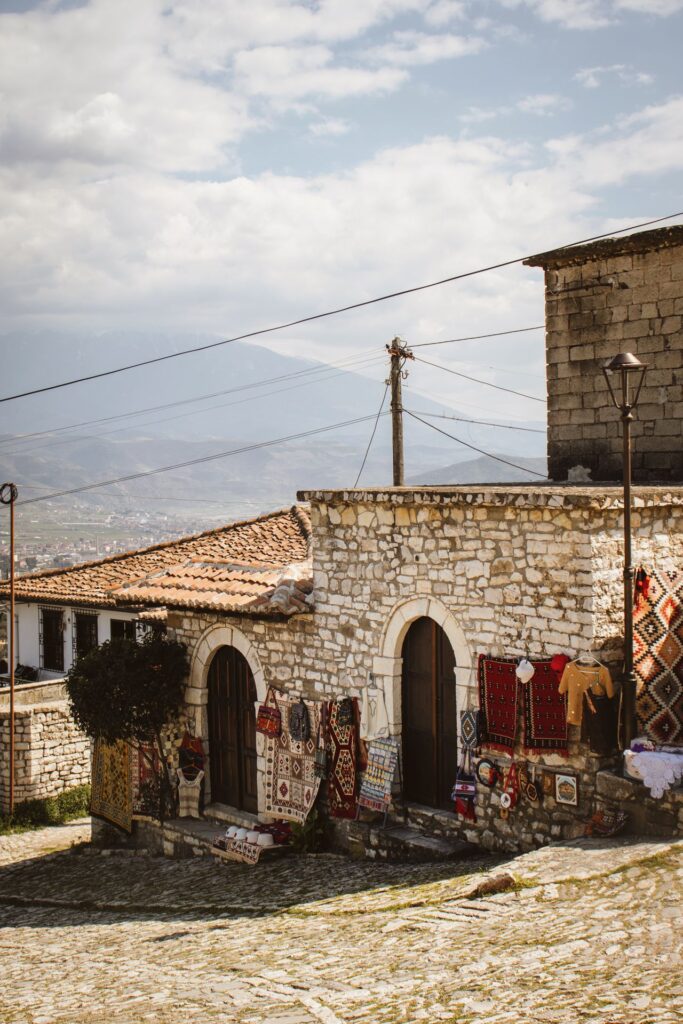
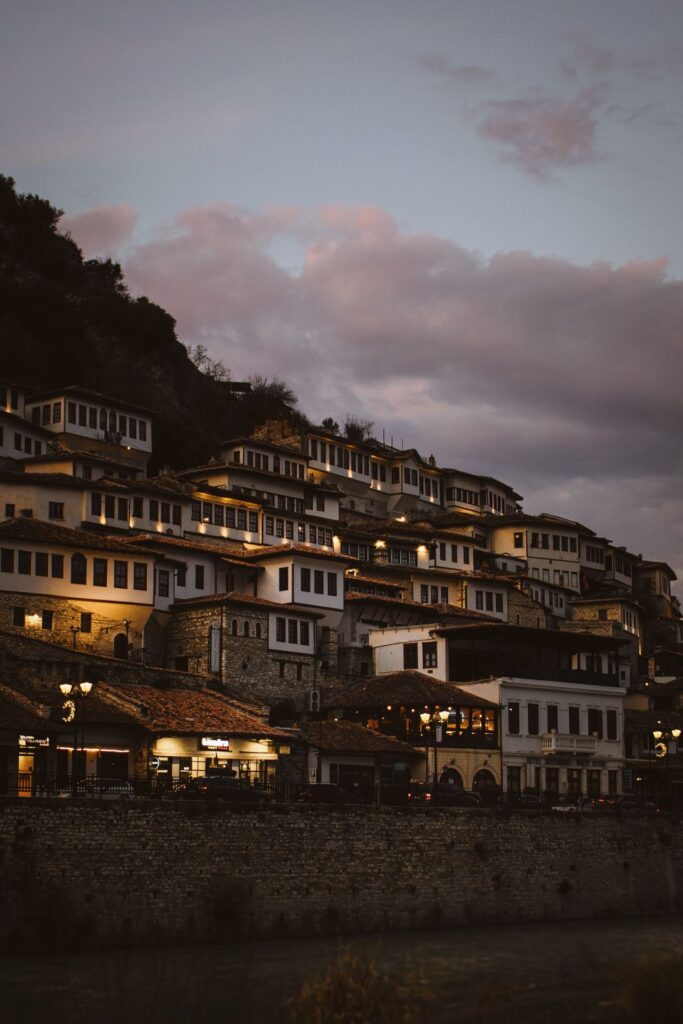
While the surrounding countryside feeds the body, Berat’s UNESCO World Heritage historic center feeds the soul. The cooler autumn air makes urban exploration an absolute pleasure. At the top of the hill stands the Kalaja, a rare living fortress where local families still reside within stone walls that date back to ancient Illyrian and Byzantine eras. Wandering through the castle precincts in autumn offers a serene experience impossible to replicate during peak summer tour bus hours. Inside the fortress, the Onufri Iconographic Museum -housed in the 18th-century Church of Saint Mary- displays breathtaking 16th-century religious art. Down in the valleys, cross the iconic arch bridge to the Gorica Quarter. Looking back across the river toward Mangalem at golden hour provides the ultimate view of the “thousand windows” glowing in warm hues. Without the summer humidity or crowds, you can linger at cobblestone cafes, sipping thick Albanian coffee while chatting with hospitable locals who always have time for a story.

WHERE TO STAY IN BERAT: HERITAGE BOUTIQUE HOTELS WITH AUTHENTIC HOSPITALITY
To fully immerse yourself in Berat’s golden season, where you rest your head is just as essential as what you explore. Nestled in the heart of the historic Mangalem quarter, Hani i Xheblatit offers a serene four-room sanctuary inside a beautifully restored UNESCO building, complete with carved wooden doors, vintage carpets, and a peaceful courtyard terrace overlooking the river. Over in the stone alleyways, Hotel Ansel charms guests with its heritage rooms and a farm-to-table breakfast supplied directly by the owners’ family farm in the surrounding countryside. Meanwhile, across the river in the Gorica district, Tradita e Beratit occupies a 350-year-old former inn filled with unique antiques and traditional art. Here, you can soak in iconic views of the Gorica Bridge from the Oda e Madhe suite before indulging in home-cooked local specialties prepared by the family matriarch using fresh seasonal ingredients. Each property captures the true soul of Berat, ensuring your autumn evenings are as warm and memorable as your days.


